Dry Mixed Recycling
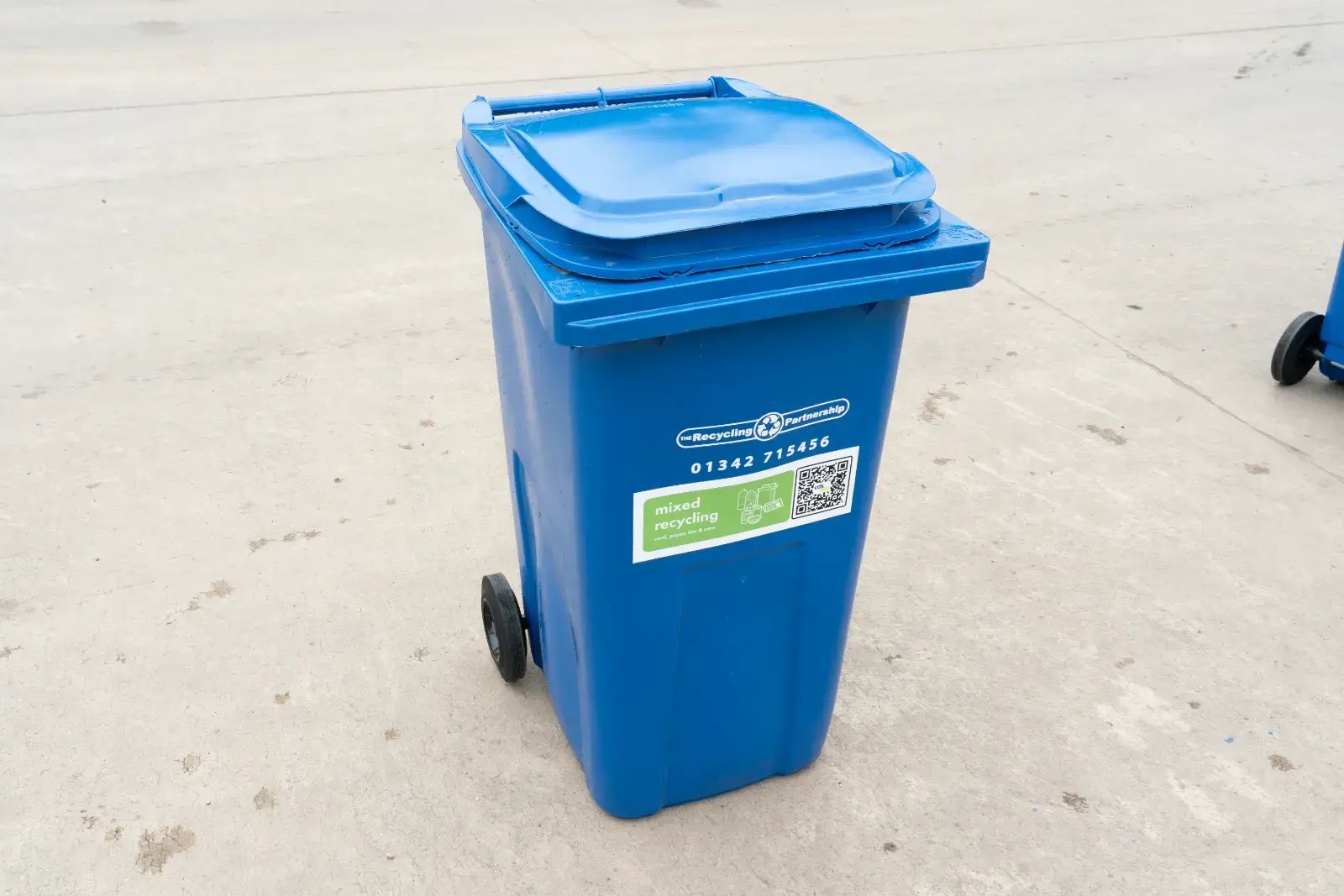
Dry Mixed Recycling helps you do two things at once: keep your costs down and lift your recycling rate. Put your clean drinks cans, food tins, plastic bottles, paper and cardboard into the dry mixed recycling bins we provide, and we collect and recycle them. It can work out cheaper than sending the same material to general waste.
What is Dry Mixed Recycling?
DMR is clean, dry recyclable material collected together: metal, plastic, paper and cardboard. Metal covers drinks cans, food tins, empty aerosols and tin foil. Plastic covers bottles, tubs, trays, pots and cartons. Paper and cardboard means flattened boxes and newspapers. It all has to be clean and empty, or the load is contaminated. Under Simpler Recycling, paper and card may need their own bin, so we'll confirm what goes together.
Why Seperate Dry Mixed Recycling?
DMR is collected separately from other waste, which is what the Simpler Recycling regulations require. It should not be contaminated or mixed with anything else, general waste and food waste in particular.
What Can go in a Dry Mixed Recycling bin
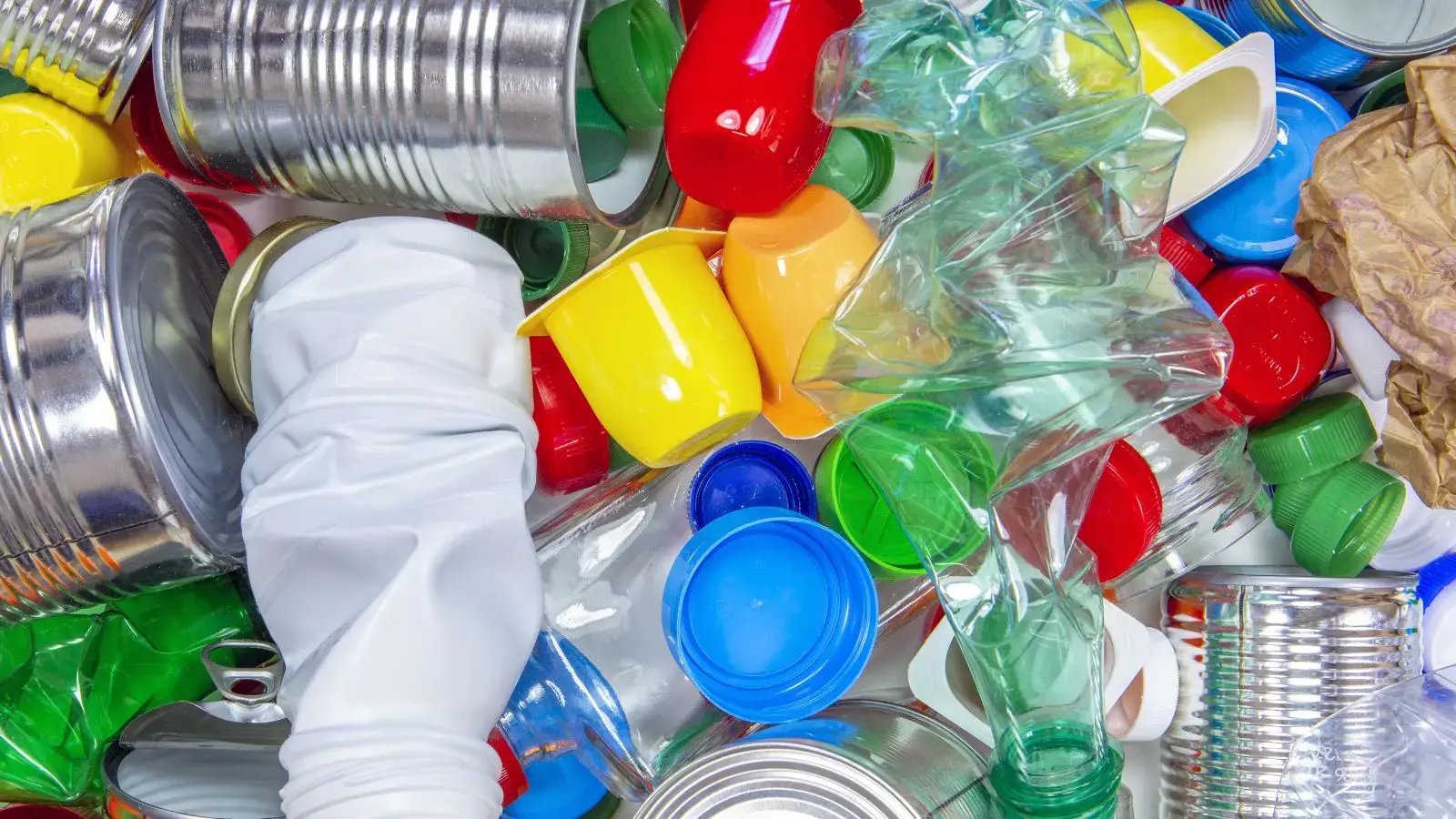
- Drinks cans and food tins
- Plastic bottles, pots, tubs and trays
- Empty aerosols
- Paper and cardboard
What Can’t go in a Dry Mixed Recycling bin
- General waste
- Food waste
- Plastic bags, film, wrappers or plant pots
- Cartons
- Nappies and dog waste
- Clothing
- Electrical items or batteries
- Hazardous waste
If any materials that are not DMR are placed in the bin, your waste may not be collected and you could face additional charges. To avoid delays and ensure your waste can be recycled, the correct waste stream must be placed into the dry mixed recycling bin and be free from contamination.
Get In Touch
If you would prefer to speak to someone directly or have a question about which bins may be right for your site or business, our team of waste experts are always happy to help.